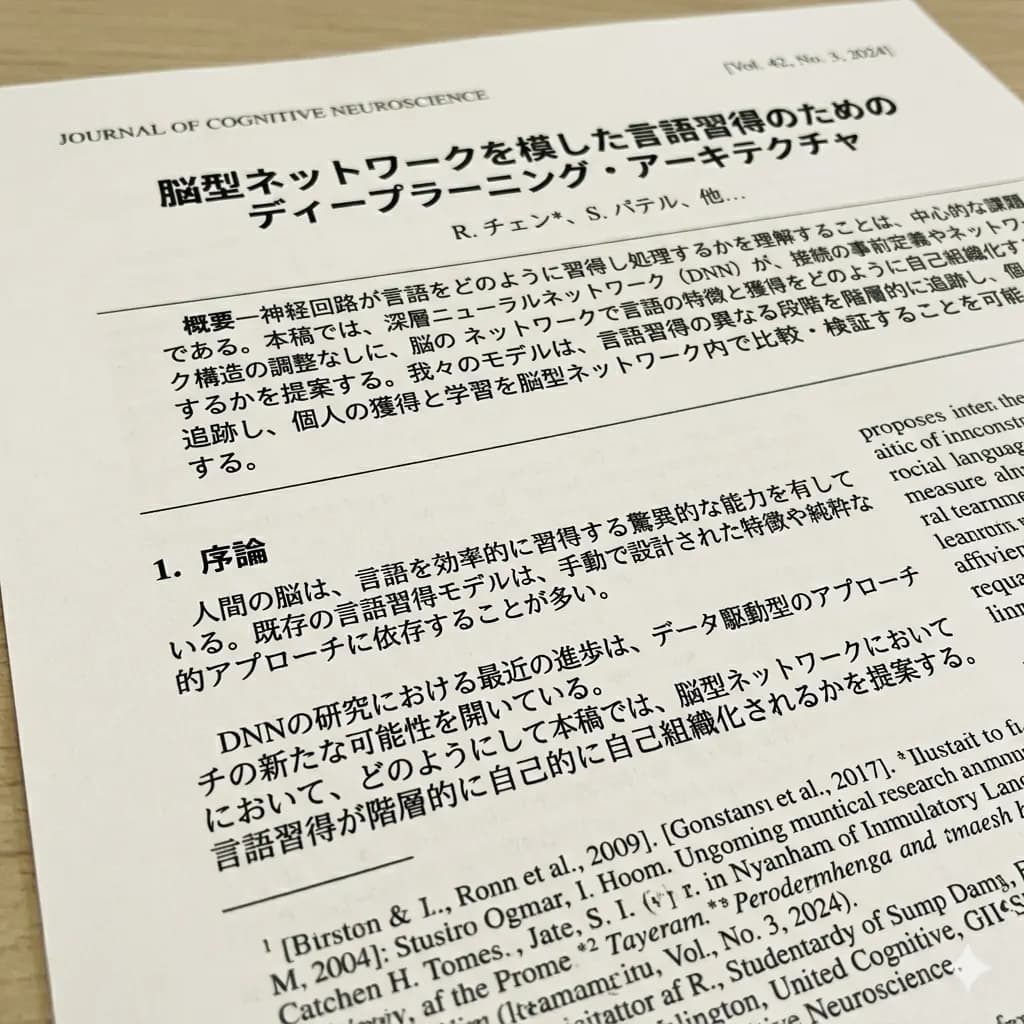
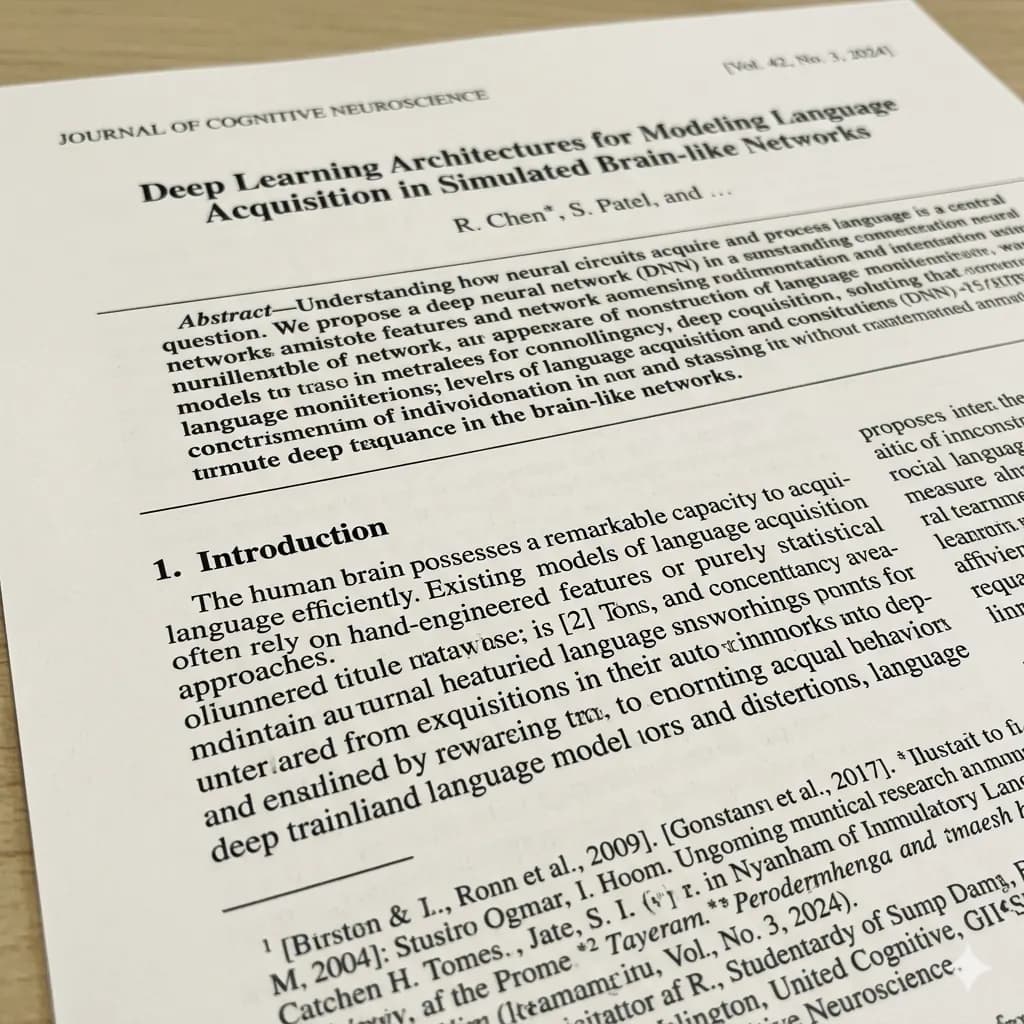
Quick answer
Capture quality is the biggest controllable factor: a flat, straight, evenly lit page produces more reliable text detection than a distant angled photo.
Scanned documents contain structure that plain text extraction can lose: headings, rows, columns, field labels, stamps, footnotes, diagrams, and page order. Translation should preserve enough of that structure for side-by-side review.
- Capture the complete page
- Correct or recapture poor angles
- Translate the document photo
Ready to test this workflow on your own image?
Prepare the source before translation
Place the document on a contrasting surface, flatten the page, hold the camera parallel, and avoid shadows from the phone or your hands.
Keep an untouched copy of the source beside every crop or page so the English result can always be checked against the original.
- Flatten the page
- Use even light and high contrast
- Hold the camera parallel
Step-by-step translation workflow
Translate the full page first, then create focused crops for dense tables, footnotes, stamps, or handwritten annotations.
Open Document Image Translator, upload the prepared source, translate it to English, and download each result only after the visual structure has been reviewed.
- Capture the complete page
- Correct or recapture poor angles
- Translate the document photo
- Retry small regions separately
Quality review checklist
Review the English image beside the original. Accuracy includes text meaning, numbers, labels, and whether each translation still belongs to the correct visual region.
| Review area | What to check | Action if it is wrong |
|---|---|---|
| Geometry | Lines and columns are straight | Recapture parallel to the page |
| Coverage | All corners and lines are visible | Use a wider frame |
| Detail | Footnotes and stamps are readable | Create a close crop |
Limits and safety notes
Curved book pages, folds, glare, low contrast, and perspective distortion can change character shapes or hide entire lines.
Do not upload identity documents, confidential contracts, medical records, or financial material unless temporary processing meets your requirements. The result is not a certified translation, legal advice, medical advice, or an official filing. Files are deleted after 24 hours.
- Page curvature
- Phone shadows
- Glare on glossy paper
- Cut page edges
Related tools
Document Image Translator
Translate photographed pages, scans, forms, receipts, certificates, and document screenshots.
PDF Image Translator
Translate scanned PDF pages and image-based PDF content.
Document Image OCR Translator
Detect and translate text inside scanned document images.
Translate Text from Image
Use OCR-style detection when copyable text matters more than the image result.
Related guides
How to Translate Instruction Manual Images
Keep procedure steps, labels, diagrams, warnings, and technical values connected across photographed or scanned manual pages.
How to Translate a Scanned PDF to English
A page-by-page workflow for image-based PDFs that do not contain selectable text.
How to Translate a Receipt Image Without Mixing the Totals
Keep receipt rows and amounts aligned so the English image remains useful for travel, expense review, or purchase understanding.
FAQ
Should I scan the document instead of taking a photo?+
A flat scan is often better for small text and tables, but a sharp, straight, evenly lit photo can also work well.
Can I try this image translation workflow for free?+
Yes. Sign in to receive 20 free welcome credits once; standard image translation starts at 10 credits.
Will the English result preserve the original layout?+
The workflow is designed to render translated text back into the image while keeping it near the original visual region. Clear, well-cropped sources produce the most reviewable results.
Try it with your own image
Upload a real image and get an English result with the layout preserved where possible.