Quick answer
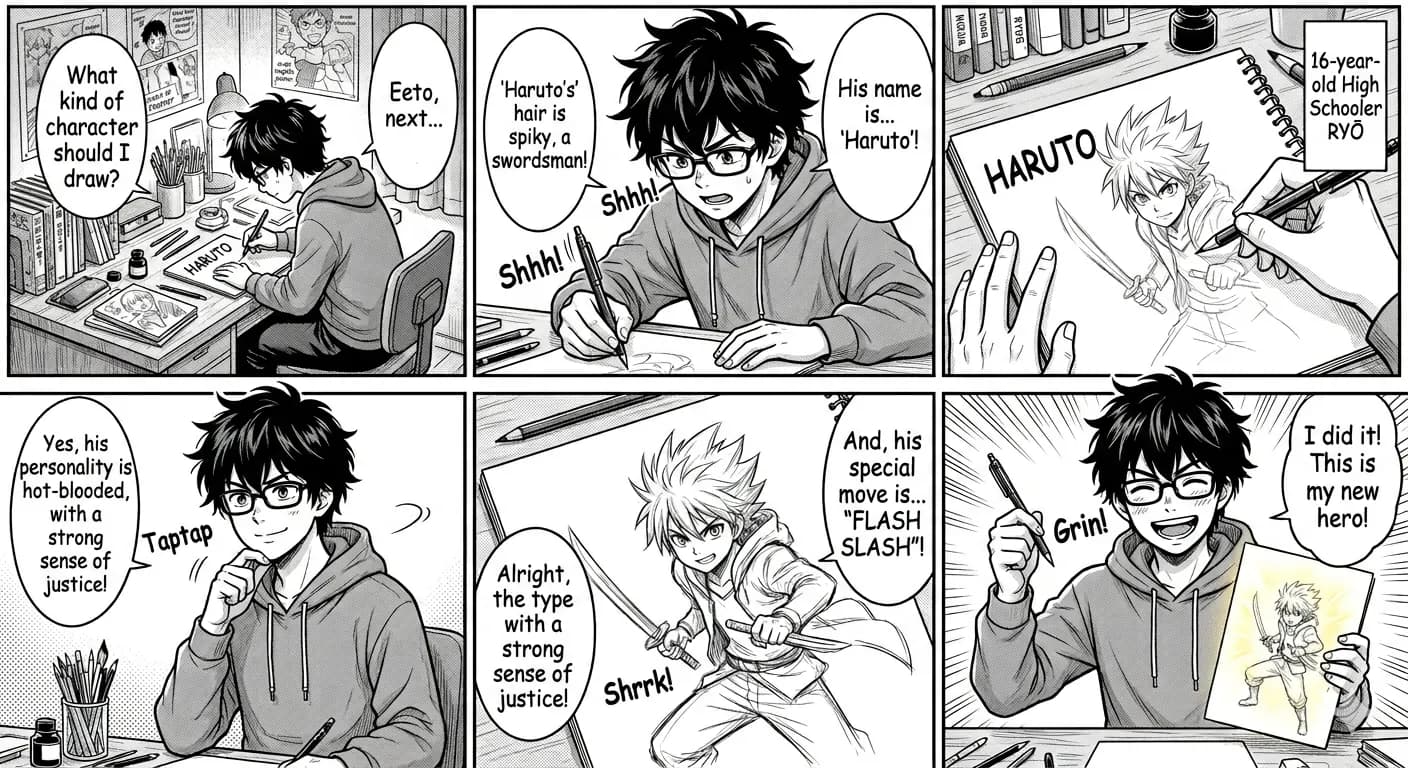
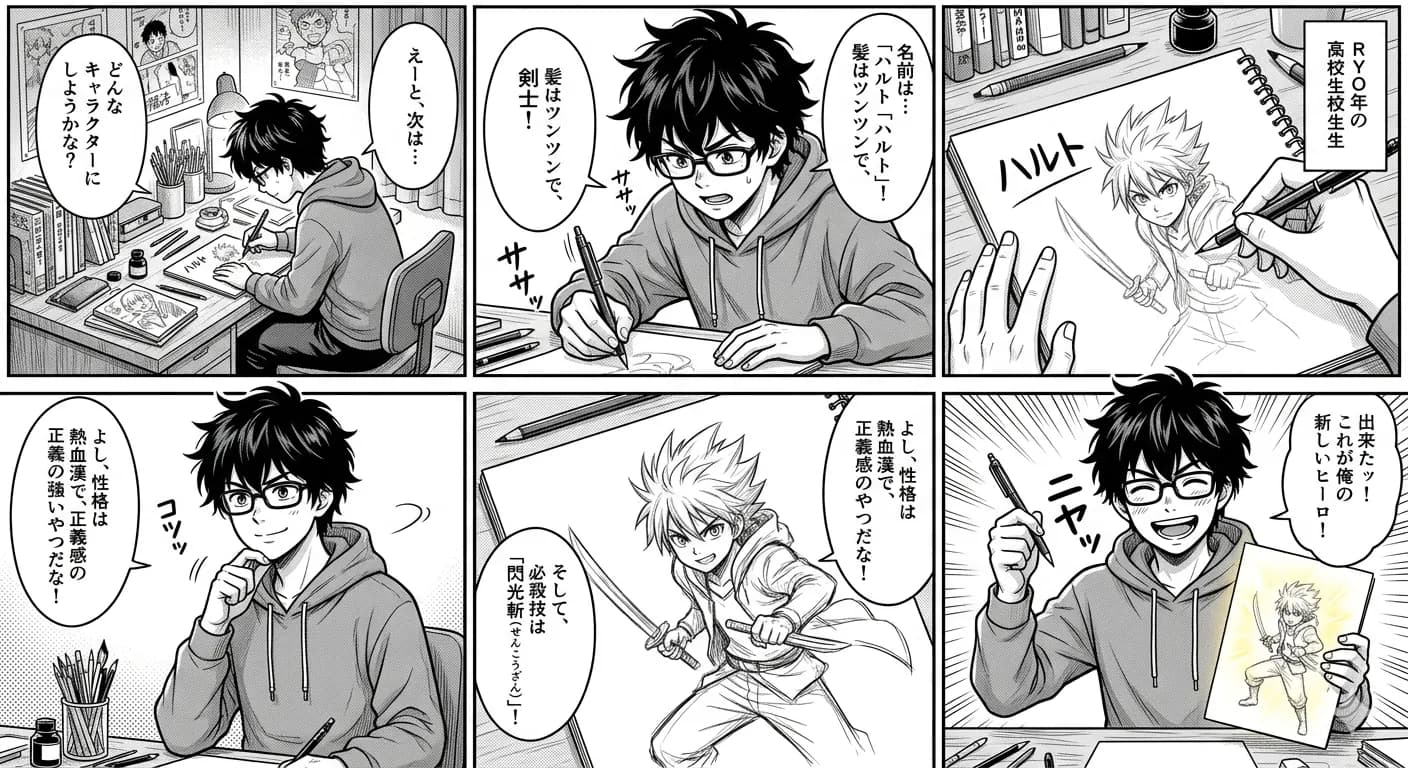
Comics often mix dialogue, narration, scene lettering, and artwork, so classify each text region before reviewing the English image.
Comic translation depends on reading order and speaker ownership. The text may be accurate but still confusing when a line moves to the wrong bubble, a caption is detached from its panel, or a long vertical image is processed as one dense page.
- Translate a complete panel group
- Review reading order
- Check balloon ownership
Ready to test this workflow on your own image?
Prepare the source before translation
Keep complete panels and gutters visible, especially when reading order differs across page layouts.
Keep an untouched copy of the source beside every crop or page so the English result can always be checked against the original.
- Keep panel borders and gutters
- Identify dialogue versus narration
- Preserve signs and scene labels
Step-by-step translation workflow
Translate one page or a clear panel group, then verify balloons, narration boxes, signs, and sound effects as separate content types.
Open Manga Translator, upload the prepared source, translate it to English, and download each result only after the visual structure has been reviewed.
- Translate a complete panel group
- Review reading order
- Check balloon ownership
- Inspect artwork around replaced text
Quality review checklist
Review the English image beside the original. Accuracy includes text meaning, numbers, labels, and whether each translation still belongs to the correct visual region.
| Review area | What to check | Action if it is wrong |
|---|---|---|
| Panels | Reading order remains clear | Keep gutters visible |
| Text type | Narration is not assigned to a speaker | Compare box and balloon shapes |
| Artwork | Redraw does not hide important detail | Review textured areas |
Limits and safety notes
All-caps display fonts, curved balloon text, and lettering over textured art may not detect as cleanly as standard printed captions.
Use pages you are allowed to process, keep the source available for comparison, and review names, honorifics, sound effects, and recurring terminology manually. Uploaded and generated images are deleted after 24 hours.
- Curved balloon text
- All-caps display lettering
- Unclear panel order
- Text over detailed artwork
Related tools
Manga Translator
Translate manga, webtoon, manhwa, and comic panels while keeping bubbles and reading flow visible.
Japanese Manga Translator
Translate Japanese panels, vertical text, bubbles, and captions.
Webtoon Translator
Translate long vertical comic panels in smaller reviewable sections.
Comic Translator
Translate dialogue, narration boxes, signs, and panel labels.
Related guides
How to Translate Manhwa Panels to English
Prepare individual manhwa panels and short vertical sections for clearer Korean-to-English dialogue and layout-preserved output.
How to Split a Long Webtoon for Translation
Choose natural crop boundaries, retain scene overlap, number every section, and rebuild the reading sequence after translation.
How to Translate Manga Sound Effects Without Losing the Art
A practical review process for Japanese sound effects, decorative lettering, action text, and SFX that overlap characters or backgrounds.
FAQ
Can I translate Western comics as well as manga?+
Yes. Clear comic panels can be translated; keep panel borders, balloon tails, narration boxes, and signs visible for context.
Can I try this image translation workflow for free?+
Yes. Sign in to receive 20 free welcome credits once; standard image translation starts at 10 credits.
Will the English result preserve the original layout?+
The workflow is designed to render translated text back into the image while keeping it near the original visual region. Clear, well-cropped sources produce the most reviewable results.
Try it with your own image
Upload a real image and get an English result with the layout preserved where possible.